
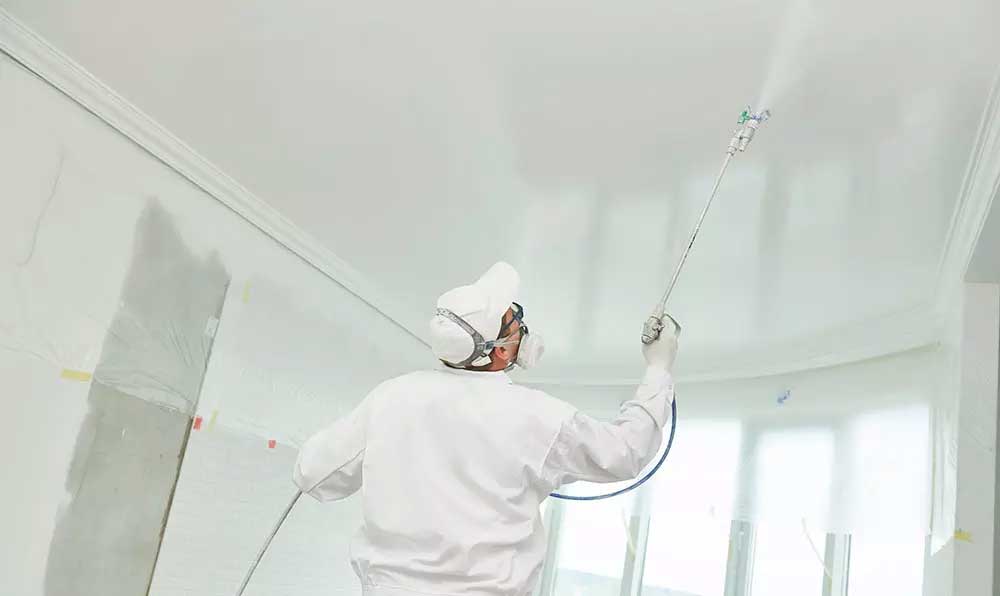
To get the most out of a paint sprayer, choosing the right airless equipment is only the first step. Proper usage and regular maintenance are what truly save you time and material, helping you achieve a flawless finish on every project. This article covers the key techniques and considerations for using your sprayer efficiently.
Ⅰ.Proper preparation is essential before you start spraying.
1.Preparation: Laying a Solid Foundation for the Job
*Strain the Paint
During storage or transport, paint can accumulate impurities or develop a skin. Pouring it directly into the sprayer can cause these contaminants to clog the filter or even damage the pump.
√Best Practice: Use a funnel strainer to filter the paint before adding it to the machine. Choose the appropriate mesh size based on the paint type: 60–100 mesh for latex paints, and 100–200 mesh for topcoats and varnishes.
√AEROPRO Advantage: AEROPRO sprayers come standard with a dual filtration system (inlet filter plus gun filter), but pre-straining at the start still greatly extends the life of the filters and reduces downtime from clogs during the job.
2.Stir Thoroughly and Check Viscosity
Paint viscosity can vary between brands and batches. If the viscosity is too high, the sprayer may have trouble drawing paint or produce poor atomization. If it is too low, the paint may sag or run.
√Best Practice: Stir the paint thoroughly and use a viscosity cup to check consistency if needed. Most latex paints can be sprayed directly, while high-viscosity anti-corrosion coatings may require thinning according to the manufacturer's instructions. Avoid adding water or thinner by instinct, as over-thinning can compromise the quality of the finish.
*AEROPRO Advantage: AEROPRO sprayers can be used without pre-thinning, ensuring optimal results with minimal effort. With a reversible tip, you can quickly clear the blockage by rotating and spraying air.
3. Select the Right Spray Tip
Using the wrong spray tip can lead to inefficiency and wasted material.
√Spray Tip Recommendations:
Walls & Ceilings → 517, 519 (wide pattern, large orifice)
Wood Doors & Cabinets → 311, 313 (narrow pattern, fine atomization)
Steel Structures & Anti-Corrosion Coatings → 621, 623 (extra-large orifice, high flow)
*AEROPRO Advantage: AEROPRO spray tips are compatible with most mainstream sprayers on the market. They are easy to install and remove, allowing one machine to handle multiple tips for different projects with ease.360° swivel joint airless spray gun, enjoy your painting with better flexibility.
II. Machine Setup: Configuring the Right Parameters
1.Pressure Adjustment
Many beginners assume that max pressure equals best results, but that is not the case. The proper method is to start at a low pressure and gradually increase it until you achieve a uniform spray pattern with full fan development, no tails, and no orange peel. That is your optimal pressure.
√Reference Values:
Latex paints, exterior paints: 1800–2200 PSI
Oil-based primers, anti-corrosion coatings: 2200–2800 PSI
Fine topcoats, varnishes: 1500–1800 PSI
*AEROPRO Features: The AEROPRO 550, 515, and 750 are all equipped with high-precision pressure control valves that offer a wide adjustment range. The dial provides clear tactile feedback, making it easy to lock in the optimal pressure.
2.Check the Filter
Before starting, remove the gun filter and check for any debris or clogs. A clean filter ensures consistent spray pressure and finer atomization. It is recommended to replace the filter after every 200–300 gallons (approximately 750–1100 liters) of paint sprayed, or whenever you notice a drop in material flow.
Once the preparation work is complete, the next step is the actual spraying. If you’re interested in using a paint sprayer, feel free to stay tuned. We’ll continue sharing professional knowledge related to sprayers.